Fog rolls off the Edisto at daybreak, and Orangeburg wakes up damp. Anyone who commutes along St. Matthews Road or threads through Russell Street in December knows the ritual: tap the rear defroster, watch the grid lines warm, and hope the view clears before the first turn lane. That quiet click matters more than most drivers realize, especially after glass replacement. Modern auto glass is not just a sheet that keeps wind out. It is a support system for heating elements, antennas, rain sensors, driver-assist cameras, and even acoustic dampening. When a pane cracks or a windshield chips, the repair decision touches all of those parts.
I work with glass in this region, and Orangeburg’s humidity, frequent summer squalls, and temperature swings make defrosters and sensors central to any auto glass repair Orangeburg drivers might need. A clean replacement is not only about sealing the opening. It is about preserving the vehicle’s design: how quickly it clears fog at 6 a.m., whether the lane-keep camera still reads paint, and whether Highway 178’s washboard patches trigger a false emergency braking alert.
Why defrosters and sensors are glued to the glass
Rear defrost lines are printed onto the inner surface of the glass. They are resistive traces, usually a silver-based ink, baked at the factory. Apply power, they heat up, water vapor lifts, and your mirror finally shows more than condensation. Front windshields don’t usually carry heating grids across the entire field here, although some European models do, but many have heated wiper park zones, embedded antenna conductors, or thin wires for HUD elements. In SUVs and crossovers common around Orangeburg, quarter windows and liftgate glass often have those amber defrost connectors tucked behind trims.
Modern sensors add more complexity. Think of the parts that either touch the glass or read through it:
- Rain and light sensors that need a precise optical path through a clear patch of windshield. Forward-facing ADAS cameras for lane keeping and collision warnings that mount to a bracket bonded to the glass. Gyro or compass modules integrated near the mirror pod that rely on correct alignment and non-metallic tint. Antenna amplifiers baked into the rear glass grid.
Each one changes how a shop approaches windshield replacement Orangeburg drivers seek after a rock strike. If a tech uses the wrong glass, skips a gel pad, or sets a camera bracket a few millimeters off, the sensor either underperforms or fails completely. It is why some quick pop-in jobs lead to weird behavior days later: a rain sensor that never sees the drizzle on Magnolia Street, or a blind spot monitor that throws sporadic warnings.
How Orangeburg’s climate tests defrosters and seals
Orangeburg does not see arctic cold often, but we get damp mornings and heavy summer storms. That means fogged glass as the day warms, plus constant wet-dry cycles. A weak defroster makes that fog linger. A marginal seal surrounding a windshield might not leak during a car wash, but after a week of afternoon downpours, the channel behind the dash overflows into the footwell. I have met owners convinced they had an A/C drain issue, only to find a windshield corner set a hair proud, letting water wick around the urethane.
On the defroster front, the most common failure after car window replacement Orangeburg owners report is a single dead strip across the rear glass. That usually points to a nicked grid during install or removal, or a loose power tab. Those tabs are spot-welded to the grid; bump one during a hurried trim reinstallation and it loosens just enough to arc under load. You rarely smell it. You notice it the first time you fight a stubborn fog band that won’t clear.
Choosing OE, OE-equivalent, or aftermarket: what really matters
People ask whether they need “dealer glass.” Sometimes yes, often no. The right answer depends on three factors: feature support, optical quality, and fitment.
Feature support means the glass comes with the brackets, frit patterns, and electrical connections your car expects. If your SUV has a heated wiper park area, the replacement needs those connectors in the right place and the same resistance value. If your sedan uses an infrared-reflective or acoustic interlayer windshield, the substitute should match those layers, or you will hear more wind noise and your cabin may get hotter on I-26.
Optical quality shows up where ADAS cameras see. Slight waviness in the glass, called distortion or “oil canning,” can trick a camera. It is rare in high-end aftermarket glass, but not unheard of. On older cars without forward cameras, this is merely annoying. On a 2019 or newer vehicle with lane assist, it can be a safety issue.
Fitment sounds simple, yet a 1 millimeter change in curve can make a cowl rattle or leave an edge proud. That matters for water management. The factory body channels expect glass to sit in a precise plane so water runs off correctly. Most premium aftermarket suppliers hit these tolerances. Low-cost parts sometimes do not.
If you are comparing quotes for windshield crack repair Orangeburg shops offer, ask specifically whether the glass supports every sensor and heater your car uses. If a shop says they will disable a feature or swap a sensor without recalibration, that’s a warning sign. For many vehicles built after about 2016, camera recalibration is not optional. It is part of safe windshield replacement.
Why recalibration is not an upsell
Forward radar modules commonly sit behind grilles or emblems. Cameras for lane keep and automatic high beams sit against the glass. When you change the glass, you shift the camera’s reference plane. Even a tiny change affects how the image maps to the road. The vehicle’s software expects the camera to be within a tolerance band. Recalibration teaches the system a corrected geometry.
There are two ways this happens:
Static calibration uses targets and mats in a controlled space. The tech measures distances with lasers or tape and sets up a room that the car “looks at” to learn. Dynamic calibration involves driving the vehicle on well-marked roads over a certain speed and distance while the system learns. Some models require both. Around Orangeburg that dynamic step is not trivial. You need clear lane lines and steady speeds, which can be a challenge during school traffic or on rain-slick days. A good shop knows local routes that work. I have used a loop that runs from Chestnut to Broughton, up to the bypass, then back, because the lane paint is readable and traffic gaps allow consistent speeds.
If your vehicle combines a camera with a rain sensor in a single module, the gel pad or optical coupler must be new, clean, and free from bubbles. If that pad is reused or misaligned, the rain sensor will misread. You will see wipers that chatter on a dry windshield or sit idle in a drizzle near Edisto Memorial Gardens. These are tiny details that separate proper windshield replacement Orangeburg residents can trust from a “good enough” job.
Mobile auto glass repair in Orangeburg: when it works and when it doesn’t
Mobile auto glass repair Orangeburg drivers book has its advantages. If you are parked at a plant off 301 or at a farm outside town, bringing the shop to you saves a day. For side windows or rear glass without ADAS calibration needs, mobile is often perfect. If you need a windshield with camera recalibration, it depends.
Some mobile units carry portable calibration kits. They can perform static calibrations in a large, level parking lot, assuming the weather cooperates. Rain and wind make target setup tricky, and direct sun can wash out camera contrast. Dynamic calibration can finish the job, but only if road markings are clear and the tech has a safe route. When a customer insists on mobile for a camera-heavy car, I walk through these constraints. If we cannot guarantee good conditions, I steer them to the shop bay. No one wants a lane assist system that is “probably okay.”
Mobile work also complicates urethane cure times. High-modulus urethanes give quicker safe drive-away windows, often 30 to 120 minutes, depending on temperature and humidity. Orangeburg’s summer humidity speeds skin-over but can slow through-cure. A conscientious tech checks the product’s temperature and humidity chart, not just the label’s best case. If a mobile tech cuts corners and sends you onto the I-26 ramp too early, you would never know the difference until a severe pothole or a collision test that bond. Err on the side of patience.
Rear defroster quirks after replacement
Rear windows carry the most common post-replacement headaches. The reasons are practical. Glass removal in a liftgate or sedan trunk opening happens right next to painted pinch welds, wiring looms, and fragile trim clips. It is easy to snag the defroster grid with a knife or pinch it under a trim edge.
When a driver calls with “my defroster is weaker than before,” I check three things. First, does the entire grid warm? You can use a thermal camera, but a simple fog test works too: run the defroster with the car idling, then lightly breathe on the inside. Stripes that clear first are heating faster. A dead band means a broken line. Second, does the relay click and does battery voltage reach the grid? A loose or corroded tab or a poor body ground drops voltage. Third, are the terminals bent so the connector is only half seated? I have seen that twice in a month on hatchbacks where a rear cargo organizer pressed against the harness and crept the connector off over a few weeks.
There are conductive paints that can patch small scratches in the grid. They are a stopgap. A single nick can be patched; a smeared inch-wide damaged area from a razor is not going to come back car window replacement orangeburg to spec. In those cases, a correct pane with a fresh grid is the right fix.
Silicone, urethane, and the right pinch weld prep
If you overhear shop talk around orangeburg auto glass suppliers, you will hear debates about primers and cure times. The short version: modern windshields bond with polyurethane adhesives. They are structural. The bond ties into the vehicle’s crash performance. Silicone does not belong in the bonding stack. I still meet vehicles where someone gooped silicone around a leak. It hides a bad bond and makes future prep harder. Once silicone contaminates the pinch weld, the urethane may not stick correctly. Removal and thorough cleaning is the only real answer.
Good prep means trimming old urethane to a thin, uniform bed, repairing rust spots on the pinch weld, and priming bare metal as specified. In our humidity, bare metal can flash rust within minutes. That rust undercuts the bond months later. If a tech hustles through prep to beat a rain shower, you pay for it later with a whistle, a drip, or, worst case, a weakened bond. The right workflow is boring and repetitive, and that is the point.
Matching tints and glass options without breaking rules
Orangeburg drivers customize. Aftermarket tint is common, and some SUVs arrive with factory privacy glass on the rear doors and liftgate. When replacing a rear window or door glass, match the factory tint shading, not just darkness. Factory glass is dyed in the mass and looks different from a film applied inside the cabin. Good suppliers list glass in solar green, privacy bronze, or other shades that match OEM. If you need film again, reapply it to the inside surface after the new glass goes in and cures. Post-replacement is a good time to switch to a high-grade ceramic tint if cabin heat bugs you.
Mind the law. South Carolina’s rules set specific visible light transmission for front doors and windshields. Some windshields include a blue or gray shade band at the top. If your original had it, the replacement should too, especially if late afternoon glare along Highway 601 is a regular thing.
A practical take on small cracks and chips
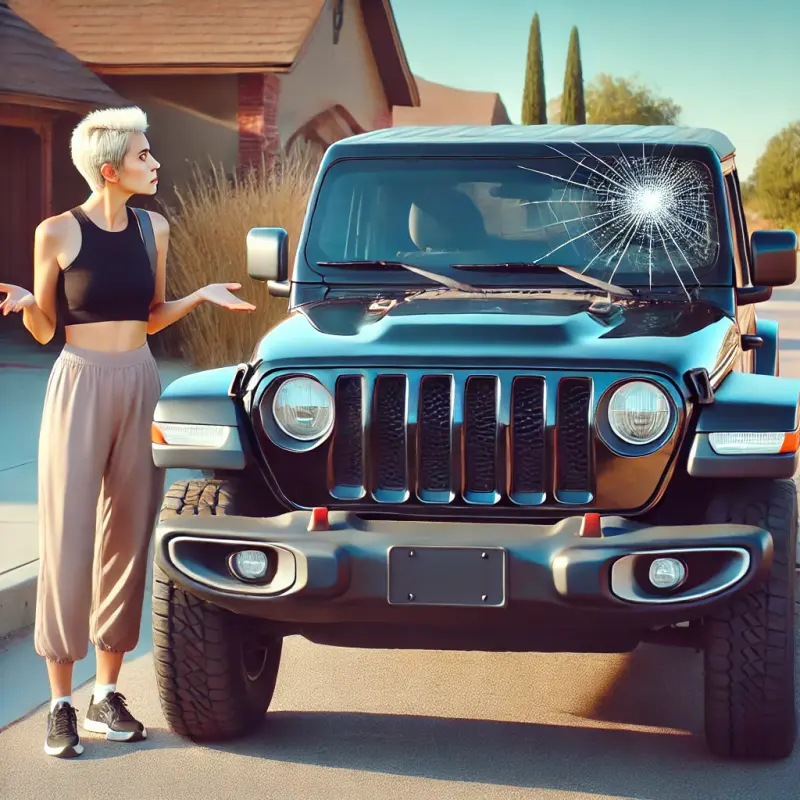
A classic Orangeburg scenario: a truck on 178 tosses a pebble, you get a star chip that spreads overnight. Can it be repaired, or does it need a new windshield? If the damage is smaller than a quarter and not in a driver’s direct line of sight, a resin repair often restores strength and stops the spread. Optical clarity improves, though you may still see a small scar. Once the crack runs more than 3 to 6 inches, or it reaches the edge, replacement becomes the safer choice. For vehicles with cameras, a repair in the camera’s field is a judgment call. Even a small optical distortion can nudge calibration. Most shops will recommend replacement if the damage sits right where the camera aims.
If you park outside, cover chips quickly with clear tape until repair. It keeps water and dirt out, which lets the repair resin bond better. In our humidity, contaminants get into the crack fast. Waiting a week can downgrade a repairable chip into a replacement.
What to ask a shop before you book
A short conversation tells you whether a shop will protect your defrosters and sensors or roll the dice.
- Will the glass fully support my vehicle’s sensors, antennas, and heaters, and does the price include those parts if needed? What calibration does my vehicle require after windshield replacement, and do you perform it in-house with documentation? What is your safe drive-away time given today’s temperature and humidity, and what urethane are you using? How do you test defroster operation and rain sensor function before delivery? If you come to me for mobile service, what conditions do you need at my location to do it right?
You are not trying to cross-examine anyone. You are listening for confidence and specifics. A pro can answer these without a script. If the answers are vague or they wave away calibration, keep looking.
A story from the field: the SUV with a ghost wiper
A family from Willow Swamp came in with a midsize SUV after a driveway windshield swap. Everything looked tidy, but the wipers kicked on randomly with a clean sky over Boulevard Street. The installer had reused the rain sensor gel pad. It looked fine at a glance, but a tiny bubble sat at the edge. On bright days the sensor read it as refracted glare and thought it saw droplets. We cleaned the housing, installed a new optical coupler, performed a static calibration for the camera that shared the module, and then took a drive up to the bypass to confirm dynamic learning. Gone was the ghost wiper. They thought it was a glitchy car. It was a missing five-dollar pad and thirty minutes of proper setup.
I share this because sensor issues after glass replacement are often simple causes with big effects. You should not have to live with weird behavior after a new windshield.
Insurance, scheduling, and the local pace
Many comprehensive policies in South Carolina cover glass with low or no deductible. Even when they do, the carrier may steer you toward a national network. You can usually choose your own shop. If you want a local outfit that knows Orangeburg’s roads and weather, tell your carrier. A good shop will handle the claim, document calibrations, and provide photos of bracket installs and primer use. Those notes matter if a future warranty claim pops up.
Scheduling in the wet season benefits from flexibility. If thunderheads stack up, a true professional will reschedule a mobile appointment rather than rush. In-shop work goes on, but vehicle dry times lengthen when humidity spikes. Ask about overnight cures if you are not in a hurry. It is boring, and boredom here equals safety.
Side windows and quarter glass are not the easy jobs people think
Shattered tempered glass looks dramatic, but side and quarter windows are straightforward in theory. In practice, door panels hide sharp edges, airbags, and fragile clips. Orangeburg trucks that live on dirt roads can pack dust into door channels that, if not cleaned, scratch new glass from day one. Quarter glass often glues in place near body adhesives and weathered paint. Skipping primer on a quarter panel seems harmless until a big temperature swing pops it loose.
Defrosters are not usually on side glass, but antennas sometimes are. If your SUV’s radio reception worsens after rear quarter glass replacement, suspect a missed amplifier connection or a poor ground. The fix may be as simple as reseating a connector behind a trim panel.
When to push for a do-over
If your replacement glass shows distortion when you look through streetlights at night, if the defroster leaves bands that never clear, or if a camera-related warning pops up, go back. The shop should test and rework it. Sensors can be recalibrated again. A bracket that was bonded crooked can be corrected by reinstalling the proper glass with a centered mount. Good shops track this and do not argue. Life happens. What matters is how they fix it.
How Orangeburg drivers can extend the life of new glass
After a proper install, a few habits help. Avoid slamming doors for the first day; the pressure spikes can push on fresh urethane. Leave painter’s tape on as instructed. Give wipers a gentle rinse before use so grit does not score the new surface. If you park under oaks, wash sap off quickly. Sap etches, then every pass of the blade polishes that etch into a glare line.
If you use car washes, skip high-pressure sprays right at the windshield edges for the first week. The bond is strong, but early on it is still curing through the core. For rear defrosters, never scrape with a metal blade. Use plastic and a steady hand. Those grid lines are durable, not indestructible.
The bottom line for Orangeburg auto glass
Auto glass is a system. In Orangeburg, that system battles humidity, sudden storms, and sun-baked afternoons. When you weigh options for auto glass repair Orangeburg shops offer, look beyond the price. Ask how they will preserve or restore the invisible details: the resistance of a heater grid, the focus of a camera through the glass, the cure time of the urethane in local weather. If you prefer the convenience of mobile auto glass repair Orangeburg providers promise, make sure your vehicle and conditions fit. Some jobs belong in a bay with a level floor and calibration targets.
The best compliment I ever hear after a job is silence. No wiper chatter in a sprinkle. No fog band that will not clear. No lane-keep warning on the way past Claflin. Just glass that disappears and systems that work like the day the car rolled off the line. That is what you deserve when you book windshield replacement Orangeburg drivers depend on, and that is achievable when defrosters and sensors get the attention they have earned.